In this article, we will learn about meditation and the different types of meditation techniques.

What Is Meditation?
Meditation is a contemplative approach for people of all religious and spiritual traditions to calm, focus, and transform their minds. Meditation increases self-awareness and creates an environment suitable for mindfulness practice.
As per Bhagavad Gita:
“bandhur ātmātmanas tasya yenātmaivātmanā jitaḥ
anātmanas tu śhatrutve vartetātmaiva śhatru-vat”
Bhagavad Gita: Chapter 6, Verse 6
This translates to, “For him who has conquered the mind, the mind is the best of friends; but for one who has failed to do so, his very mind will be the greatest enemy.”
The primary goal of meditation is to promote personal and spiritual growth while also calming the mind and body.
Due to the wide range of meditation practices, there are many meditation techniques. Meditation, in general, requires establishing calm in a constant and steady position while forming a focal point to free oneself from distractions.
Different Types Of Meditation:
Yes, there are different forms of mediation techniques. Although there is no one-size-fits-all technique to meditation, finding one that meets your needs and matches your personality is crucial.
Mindfulness Meditation: Mindfulness is explained as the ability to be completely conscious of surroundings, cognizant of where we are and what we’re doing, and not overly reactive or overwhelmed by what’s going on around us.

While we all have mindfulness, it becomes more available to us when we practise it on a daily basis.
When you bring awareness to what you’re experiencing via your senses, or to your mental state through your thoughts and emotions, you’re mindful. Furthermore, there is emerging evidence that training your brain to be conscious changes your brain’s physical structure.
You’ll need to follow a few steps if you want to perfect this method. Here are a few examples:
Recognizing your surroundings, which begins with awareness of your body and thoughts;
Observing and identifying your ideas without criticising or changing them; Returning to the object of concentration, such as the breath; and Relaxing and appreciating the present moment.
Spiritual Meditation: At its most basic level, spiritual meditation is the conscious practice of connecting to something greater, vaster, and deeper than one’s own self. It may sound contradictory, but honest self-reflection is the way to that connection.

While there are several meditations practises that aim to develop spiritual awareness, they all necessitate an attitude of honesty and authenticity when it comes to how we see ourselves and the world.
Being genuine requires being truthful, honest, and trustworthy. Meditation encourages clarity and openness, both of which are beneficial allies on the road to full honesty.
Spiritual meditation can lead to a healthy, full inner existence, in addition to the physical and mental benefits of mindfulness.
Focused Meditation: Focused meditation is beneficial to people who want to try meditation for stress relief. Instead of attempting to achieve a clear mind without a specific focal point, this meditation method allows you to concentrate on a specific item, sound, or experience.

Focused meditation can also be done without an instructor or teacher, making it accessible to anybody with a few minutes to spend. As a result, anyone with a few minutes to spare, something to focus on, and a tranquil location can participate.
Focused meditation provides a slew of amazing benefits. Here are a few examples:
- It can help you feel less stressed.
- It can help with anxiety management.
- It can help people develop self-awareness and improve their attention span.
- It can help you stay focused in the present moment.
- It can help with the development of imagination and creativity.
- It can aid in the development of patience and tolerance.
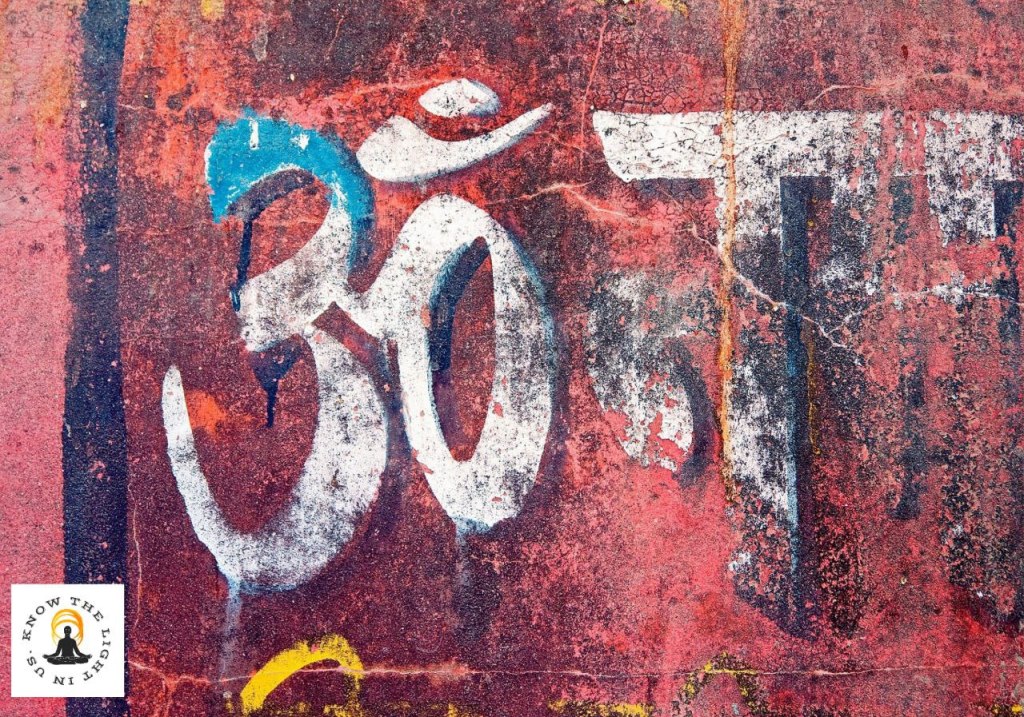
Mantra Meditation: A mantra is a syllable, word, or phrase that is repeated during meditation. Mantras can be spoken out, chanted, mumbled, or repeated in the mind. The most common mantra meditation techniques include mindfulness meditation and mantra recitation or chanting.
While “sacred word” recitation is thought to have Buddhist and Hindu origins, it can also be found in Judeo-Christian and Shamanic spiritual traditions. As part of secular mindfulness practice, mantra meditation is becoming more popular.
Mantra meditation is used for a number of purposes. When they’re having difficulties sleeping or dealing with travel-related concerns, some people utilize it as a mental shield against unwelcome distractions or emotions. For some, mantra meditation has a deeper spiritual meaning.
Visual Meditation: The practice of meditation is linked with the method of visualization. Meditation is a type of mental exercise in which you focus your mind on anything like controlled breathing or repeating a mantra. It’s a type of meditation that focuses on tranquil reflection.
When you imagine, you focus on a certain event, person, or goal you want to attain and hold it in your mind, visualizing the intended result.
Visualization is a mindfulness technique in and of itself, but it may also be used to improve the effectiveness of your meditation. You can better direct your relaxed mind toward specific outcomes if you integrate visualization into your meditation technique.
Moving Meditation: Moving meditation might be an easy way to regain mental equilibrium. This easy movement meditation will help you shift your attention quickly when your mind is restless or disturbed during the day, allowing you to bring more awareness and tranquilly into the world around you.
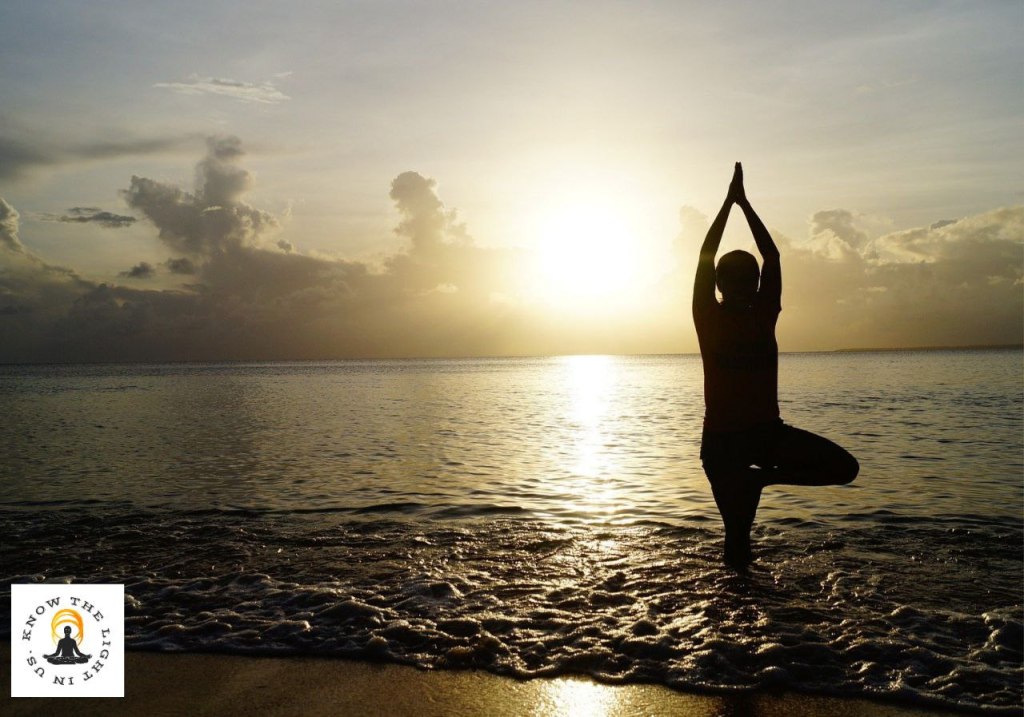
The starting moves of Surya Namaskar, or Sun Salutation, are used in the following meditation. Combining the breath with archetypal arm movements expanding the arms upward on the inhale and contracting them down the centre line of your spine on the exhalation taps into the basic rhythm of existence that defines our moment-to-moment experience.
Our breath and heartbeat both follow this expand-and-contract movement. The drawing upwards of the arms with inhalation corresponds to the grounding force of gravity; a rebound effect is felt in the pulling of the arms toward the earth, which is part of “Apana” or “downward force.”
What are the advantages of meditation?
The multiple advantages of meditation are backed up by a considerable body of evidence. Some of the ways that meditation can aid are as follows:
- Blood pressure must be brought down.
- Decreases anxiety
- Pain treatment
- Alleviation of depression symptoms.
- Improved sleep
Regular meditation practitioners, whether anecdotal or scientifically verified, are assured of the benefits in their life.
Dropping The Mic: You’re clearly interested in meditation and its advantages, which include true joy and well-being if you’ve read this far. You’ve arrived at the correct address. Know The Light In Us is a non-profit organization whose aim is to deliver the most accurate and dependable meditation guidance to you and the rest of the world.
Because meditation practice develops the most fundamental axis of our being, it’s vital to rely on clear, progressive, and accurate meditation approaches.
A multitude of factors influences the sort of meditation you choose to practise.




 Know The Light In Us
Leave a comment